
Low Glycemic Index Foods Unlock Steady Energy and Better Health
Discover how choosing the right carbohydrates can transform your blood sugar control and overall wellness journey effortlessly.
Imagine your bloodstream as a busy highway where sugar travels in vehicles called glucose molecules. When you eat high-glycemic foods, it's like unleashing a fleet of sports cars that cause traffic jams and crashes in your metabolic system. Low glycemic index (GI) foods, however, act like well-paced commuter trains delivering energy steadily without disruption. This fundamental difference makes understanding GI values one of the most practical tools for managing blood sugar and sustaining vitality throughout the day.
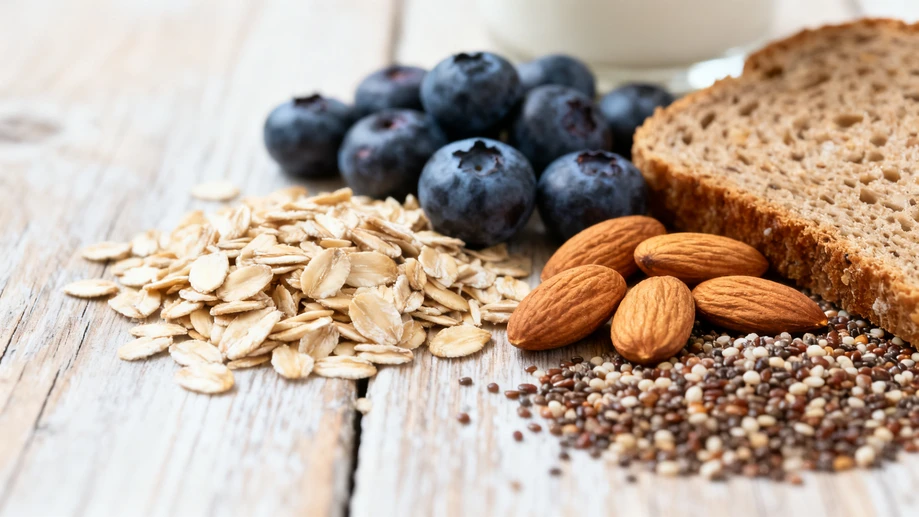
Contrary to popular belief, low-GI eating doesn't mean eliminating carbohydrates entirely. It's about strategic selection. Whole grains like barley and steel-cut oats, crunchy vegetables such as broccoli and carrots, along with fiber-rich legumes create gentle glucose curves rather than sharp spikes. These foods share a unique molecular structure that resists rapid breakdown during digestion. Their complex carbohydrates release energy gradually, keeping hunger pangs at bay while providing consistent fuel for both physical activity and mental focus.
The ripple effects of this stable energy delivery extend far beyond avoiding mid-afternoon slumps. Consistent blood sugar levels help regulate hormones like insulin and cortisol, reducing inflammation throughout the body. Studies indicate that maintaining lower post-meal glucose responses may decrease oxidative stress on cells, potentially slowing cellular aging processes. This metabolic harmony also supports cognitive function, with research showing improved concentration and memory retention in individuals following low-GI patterns compared to those consuming high-sugar diets.
Practical implementation begins with simple kitchen swaps that require no special ingredients. Replace white rice with nutty quinoa, choose dense rye bread over fluffy white loaves, and snack on apple slices with almond butter instead of sugary granola bars. Cooking techniques matter too—al dente pasta has a lower GI than overcooked noodles, and chilled potatoes develop resistant starch that further moderates sugar release. These adjustments accumulate into significant benefits without demanding drastic lifestyle changes.
Beyond immediate wellness, the long-term protective qualities of low-GI eating deserve attention. By preventing the rollercoaster of blood sugar surges and crashes, these foods reduce strain on pancreatic function. Population studies reveal consistent correlations between low-GI diets and decreased risk factors for metabolic disorders. The cumulative effect of daily choices creates a foundation for sustained vitality, proving that small dietary shifts can indeed steer us toward lasting health destinations.