
Understanding Glycemic Index for Smarter Sugar Control in Your Daily Diet
Learn how the glycemic index can help you make better food choices to manage blood sugar levels effectively and sustainably.
Have you ever wondered why some foods leave you feeling energized for hours, while others cause a sudden crash and cravings? The answer lies in a simple yet powerful concept called the glycemic index, or GI. This tool measures how quickly carbohydrates in food raise your blood sugar levels after eating, on a scale from 0 to 100. Foods with a high GI, like white bread or sugary snacks, spike blood sugar rapidly, leading to energy slumps and potential health risks. In contrast, low-GI options, such as whole grains or legumes, provide a slow, steady release of energy. Understanding GI isn't just for people with diabetes; it's a game-changer for anyone aiming to control sugar intake and maintain overall wellness. By grasping this key principle, you can transform random eating habits into a strategic approach that supports long-term health.
To put this into practice, it's essential to know how the glycemic index works and why it matters. GI values categorize foods based on their impact: low GI (55 or less), medium GI (56-69), and high GI (70 or above). For instance, a baked potato might score around 85 (high), while lentils come in at about 30 (low). This ranking stems from scientific tests where volunteers consume a fixed amount of carbohydrate from a food, and their blood sugar response is monitored over two hours. However, GI isn't an isolated factor; it interacts with other elements like fiber content, cooking methods, and meal combinations. Adding protein or healthy fats to a high-GI food can lower its overall effect, making it more balanced. This nuanced view helps debunk myths, such as assuming all fruits are bad due to sugar—apples, for example, have a moderate GI and are packed with nutrients that aid sugar regulation. By learning to interpret GI scores, you gain a practical lens to evaluate everyday meals without relying on restrictive diets.
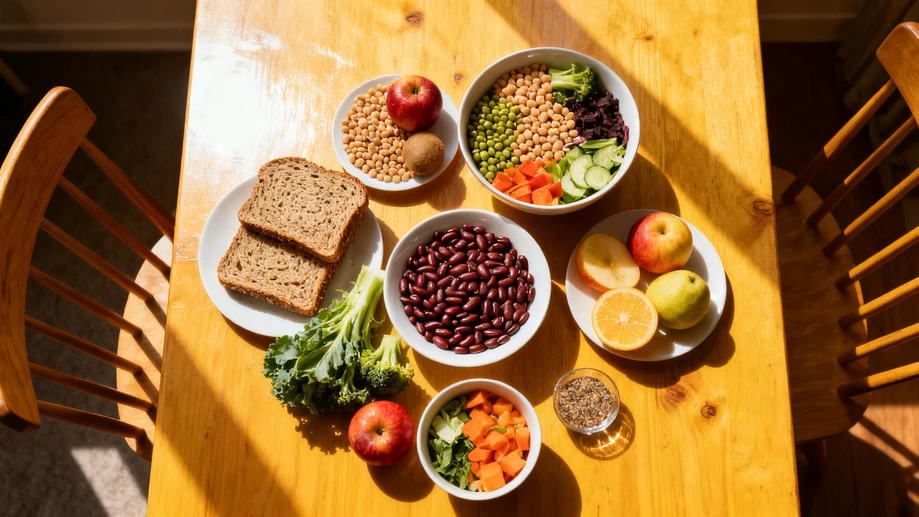
Moreover, incorporating low-GI foods into your routine offers tangible benefits beyond just blood sugar management. Studies show that a diet rich in low-GI items can reduce the risk of type 2 diabetes, heart disease, and obesity by promoting stable insulin levels. This stability helps curb hunger pangs and overeating, as you feel fuller for longer periods. For example, swapping white rice for quinoa or brown rice at dinner not only lowers the GI but also boosts fiber intake, aiding digestion and weight control. Additionally, athletes and active individuals find that low-GI meals enhance endurance by providing sustained energy, avoiding the peaks and troughs that come with sugary treats. Over time, this approach fosters healthier eating patterns, as it encourages whole, unprocessed foods like vegetables, nuts, and beans. The cumulative effect is a more resilient body that handles sugar efficiently, turning what might seem like a small dietary tweak into a cornerstone of preventive health.
Transitioning to a low-GI lifestyle doesn't require drastic changes; it's about smart swaps and mindful choices. Start by identifying high-GI culprits in your diet, such as refined grains or sugary drinks, and replace them with alternatives. Oatmeal instead of sugary cereal for breakfast, or whole-wheat pasta over regular versions, can make a significant difference. Pairing foods is another strategy: combine a high-GI item like watermelon (GI 72) with a source of protein like yogurt to moderate the blood sugar rise. Cooking techniques also play a role; steaming vegetables preserves their low GI better than frying. To make this sustainable, focus on variety and balance—include a rainbow of fruits and vegetables, which naturally tend toward lower GI values. Remember, consistency is key; small, daily adjustments build habits that lead to lasting improvements in sugar control. This practical framework empowers you to enjoy meals without guilt, proving that managing sugar isn't about deprivation but about informed indulgence.
In essence, mastering the glycemic index equips you with a simple yet effective tool for lifelong sugar management. By prioritizing low-GI foods, you not only stabilize blood sugar but also enhance overall vitality and reduce disease risks. The journey begins with awareness—checking GI values for common foods and experimenting with swaps. Over time, this knowledge becomes second nature, transforming your diet into a source of strength rather than stress. So, take the first step today; explore the world of low-GI eating and discover how a small shift can yield big rewards for your health and happiness.