
Fiber Is the Unsung Hero in Your Battle Against Blood Sugar Spikes
Learn how this humble nutrient can transform your diet and keep your energy steady without drastic changes.
Imagine sitting down to a delicious meal, only to feel that dreaded sugar crash an hour later—leaving you sluggish and craving more sweets. This rollercoaster is all too common in modern diets, but what if a simple, overlooked component could break the cycle? Fiber, often dismissed as just roughage, plays a pivotal role in managing blood sugar levels. Unlike trendy diets that promise quick fixes, fiber works quietly in the background, slowing down sugar absorption and preventing those sharp peaks and valleys. It's not about deprivation; it's about smart additions to your plate that make indulging in life's flavors safer and more sustainable. After all, who wouldn't want to enjoy a sweet treat without the guilt or energy dip?
Moreover, fiber's magic lies in its ability to form a gel-like substance in your gut when mixed with water. This gel traps sugars from the foods you eat, slowing their release into the bloodstream. Think of it as a natural speed bump for carbohydrates—instead of a rapid surge that overwhelms your insulin response, sugar enters gradually, allowing your body to process it efficiently. This mechanism not only stabilizes glucose levels but also reduces the risk of insulin resistance over time. For instance, studies show that diets rich in soluble fiber, found in oats and beans, can lower post-meal blood sugar spikes by up to 30%. It's a subtle yet powerful defense that doesn't require counting calories or eliminating entire food groups, making it accessible to everyone.
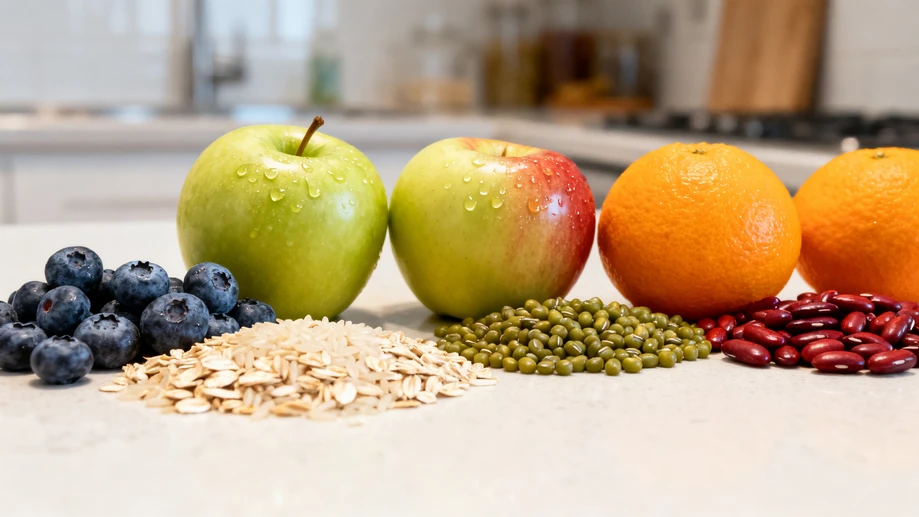
Therefore, incorporating more fiber into your daily routine is easier than you might think, and it starts with choosing the right sources. Soluble fiber, which dissolves in water, is particularly effective for blood sugar control, while insoluble fiber adds bulk and aids digestion. Aim for whole foods like berries, lentils, and whole grains—nature's perfect packages that deliver fiber alongside vitamins and minerals. A simple swap, such as opting for brown rice over white or adding chia seeds to your yogurt, can boost your intake significantly. Remember, gradual changes are key; suddenly doubling fiber can cause discomfort, so build up slowly to let your gut adjust. This approach not only supports blood sugar management but also promotes overall gut health, creating a ripple effect of benefits.
Beyond immediate blood sugar benefits, a high-fiber diet offers long-term rewards that extend to weight management and heart health. By keeping you fuller for longer, fiber curbs unnecessary snacking and helps maintain a healthy weight, which is crucial for preventing type 2 diabetes. Additionally, soluble fiber binds to cholesterol in the digestive tract, lowering bad LDL levels and reducing cardiovascular risks. However, a common pitfall is relying on processed "fiber-fortified" products that often come with added sugars or artificial ingredients. Stick to whole, unprocessed foods to reap the pure advantages without hidden drawbacks. It's a holistic strategy that turns eating into an act of self-care, empowering you to take control without feeling restricted.
In conclusion, embracing fiber is a small step with monumental impact in the quest for balanced blood sugar. It's not a flashy solution, but its consistency and simplicity make it a reliable ally. By focusing on natural sources and mindful eating, you can transform your diet into a shield against sugar-related issues. Start today with one fiber-rich meal, and soon, you'll notice steadier energy and fewer cravings—proof that sometimes, the best heroes are the quietest ones.