
Your Gut Microbiome Talks to Your Brain in Ways You Never Imagined
Discover the fascinating conversation between your digestive system and your mind influencing mood and health.
We often speak of a "gut feeling," that instinctive sense guiding us. But what if this phrase is more literal than we ever suspected? Deep within your digestive tract, trillions of microorganisms – collectively known as your gut microbiome – are engaged in a constant, complex dialogue with your brain. This isn't science fiction; it's a groundbreaking field of science revealing profound connections between what we eat, how we feel, and even how clearly we think.
For decades, the gut was viewed primarily as a digestive organ. While its role in breaking down food and absorbing nutrients was undeniable, its influence seemed confined to the abdomen. However, revolutionary research has uncovered a sophisticated two-way communication highway, often called the gut-brain axis. This axis involves intricate signaling pathways, including the vagus nerve – a major information superhighway connecting the gut and brain – the immune system, and a host of chemical messengers produced by the gut bacteria themselves. These tiny residents are far from passive; they are active participants in our physiology.
What's truly astonishing is the nature of the messages being sent. Your gut microbes produce a vast array of neuroactive compounds. For instance, a significant portion of the body's serotonin, a crucial neurotransmitter heavily involved in regulating mood, sleep, and appetite, is actually manufactured in the gut with help from specific bacteria. Other microbes produce gamma-aminobutyric acid (GABA), which has calming effects, and various short-chain fatty acids (SCFAs) like butyrate, which possess potent anti-inflammatory properties and can influence brain function. These microbial metabolites can directly stimulate the vagus nerve, enter the bloodstream, or modulate the immune system, sending signals that profoundly impact brain activity, emotional state, and stress responses.
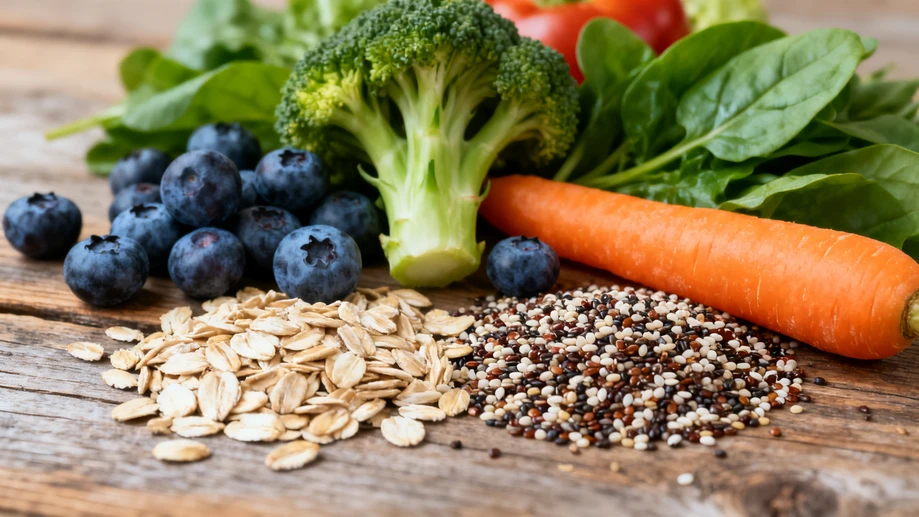
So, how does this translate to your daily life and choices? The composition of your gut microbiome – which types of bacteria thrive and which dwindle – is incredibly dynamic and heavily influenced by your diet. A diet consistently high in processed foods, sugars, and unhealthy fats acts like a wrecking ball on microbial diversity, often favoring bacteria associated with inflammation and negative health outcomes. Conversely, nourishing your microbial allies with a diverse array of whole, fiber-rich plant foods – fruits, vegetables, legumes, whole grains, nuts, and seeds – provides the essential prebiotics they need to flourish. Fiber is the preferred fuel for beneficial bacteria; when they ferment it, they produce those valuable SCFAs. Think of it as feeding the friends who send uplifting messages to your brain.
Understanding this gut-brain conversation empowers us to make choices that support both physical and mental well-being. While diet is paramount, other lifestyle factors like managing chronic stress, getting adequate sleep, and regular physical activity also positively shape the microbiome. The emerging picture is one of deep interconnection: nurturing your gut flora isn't just about avoiding digestive discomfort; it's a fundamental strategy for cultivating a calmer mind, a more resilient mood, and sharper cognitive function. By tending to the microscopic world within, we directly influence the vast landscape of our thoughts and feelings.