
The Sweet Art of Enjoying Fruit Without Breaking Your Sugar Budget
Discover clever strategies for incorporating fruit into a diabetes-friendly diet without blood sugar spikes
Fruit often gets caught in the crossfire of sugar-conscious eating plans, treated like a delicious but forbidden treasure. This creates a peculiar dilemma: how do we honor both our health goals and nature's candy? The solution lies not in elimination but in strategic selection. Nature's vibrant gems actually offer unique advantages when managed wisely. Their fiber content slows sugar absorption while providing essential vitamins and antioxidants. The key is understanding which fruits behave like thoughtful guests at your metabolic dinner party versus those that crash it uninvited.
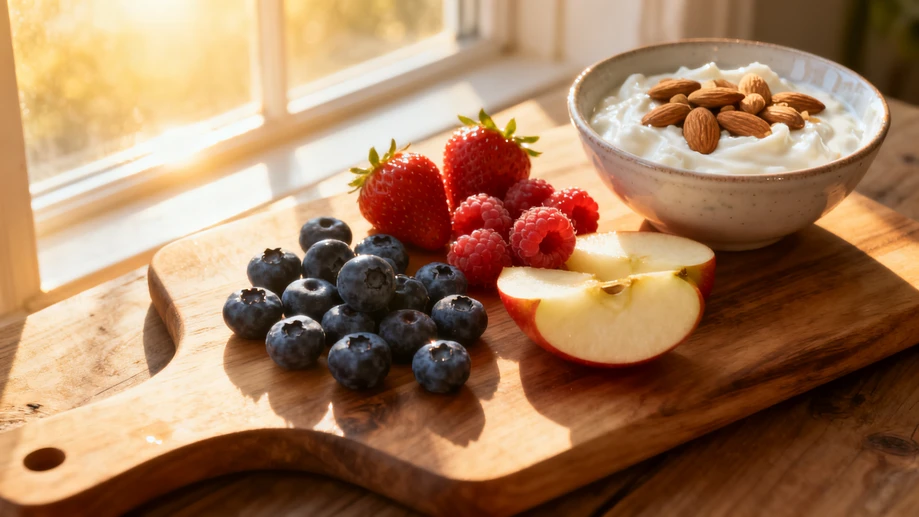
Understanding the glycemic impact of different fruits transforms confusion into confidence. Berries become your steadfast allies in this nutritional strategy. Blueberries, strawberries, and raspberries offer generous flavor with minimal sugar consequences, their vibrant colors signaling antioxidant richness. Meanwhile, tropical treasures like pineapple and mango should be treated as occasional celebrations rather than daily staples. A medium banana's sugar load differs dramatically from a cup of blackberries, despite their similar sweetness. This knowledge empowers informed choices rather than fearful avoidance.
Portion control emerges as your secret weapon in this fruity balancing act. Visual cues become helpful tools: a single serving should fit comfortably in your cupped palm. For grapes, this translates to about 15-20; for cherries, perhaps 12-14. The timing of consumption matters equally. Enjoying fruit alongside protein-rich partners like Greek yogurt creates a metabolic harmony that slows digestion. An apple paired with almond butter proves far gentler on blood glucose than when eaten alone. Even the ripeness level plays a starring role: a firm banana contains resistant starch that gradually converts to sugar.
Surprisingly, preparation methods dramatically alter a fruit's metabolic impact. Blending fruit into smoothies liberates sugars from their fibrous prisons, causing quicker absorption. Consuming whole or lightly chopped fruit maintains nature's perfect packaging system. Cooking concentrates natural sugars as moisture evaporates, making baked apples a different metabolic proposition than crisp fresh ones. Frozen fruit offers a brilliant exception: the freezing process preserves nutrients while slowing digestion, making frozen berries perfect for creamy yogurt parfaits.
Embracing whole fruit over juices represents perhaps the simplest yet most powerful strategy. An orange contains approximately 4 grams of fiber, while its juice counterpart offers nearly none. This missing fiber explains why juice causes rapid sugar surges while whole fruit creates gentle curves. The chewing process itself triggers satiety signals that liquid calories bypass entirely. When thirst strikes, infusing water with citrus slices or berries provides refreshing flavor without metabolic consequences.
Ultimately, a mindful approach to fruit transforms it from dietary villain to nutritional hero. The spectrum of colors in your fruit bowl directly translates to phytonutrient diversity, each hue offering unique protective compounds. By prioritizing low-glycemic options, controlling portions, and strategic pairings, fruit becomes not just permissible but profoundly beneficial. This delicate dance between sweetness and stability unlocks nature's candy without compromising metabolic health.