
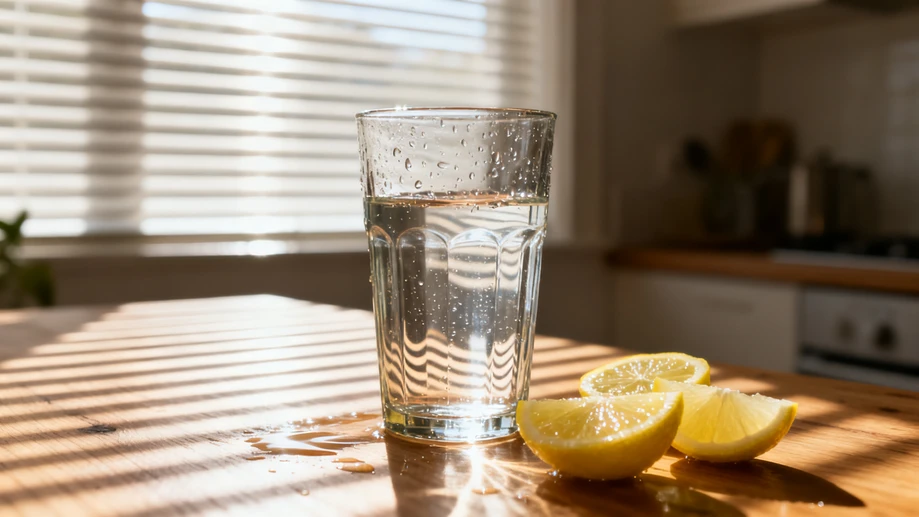
The Truth Behind the Eight Glasses of Water a Day Recommendation
Exploring the origins and science of this common health advice, and why it might not be as necessary as we thought
For decades, the mantra of drinking eight glasses of water daily has been repeated like a sacred health commandment. Fitness enthusiasts carry oversized bottles, office workers track their intake with apps, and schools remind students to hydrate frequently. This widespread belief paints dehydration as a constant threat lurking around every corner, ready to sabotage our energy levels and cognitive function. Yet few pause to question where this specific quantity originated or whether it holds scientific validity. The persistence of this rule reveals how easily health folklore embeds itself in collective consciousness, often without rigorous evidence.
Surprisingly, the roots of this recommendation trace back not to clinical research but to a 1945 Food and Nutrition Board suggestion that mentioned approximately 2.5 liters daily for adults. Crucially overlooked was the subsequent sentence specifying that most of this fluid comes from prepared foods and other beverages. Over time, this nuance evaporated, leaving only the simplified directive. No major health organization currently endorses the eight-glass rule as a universal standard. Studies examining hydration needs consistently find wide variations based on climate, activity levels, body size, and individual metabolism. The human body possesses sophisticated thirst mechanisms that reliably signal when hydration is needed, making rigid numerical targets unnecessary for most healthy individuals.
Furthermore, focusing exclusively on water ignores significant moisture contributions from everyday consumption. Fruits like watermelon and strawberries contain over 90% water by weight, while soups, milk, tea, and even coffee contribute substantially to daily fluid balance. Research shows caffeine-containing drinks don't cause net fluid loss when consumed moderately. The body efficiently absorbs moisture regardless of the source, utilizing water molecules in vegetables, sauces, and other foods. This holistic perspective liberates people from constantly monitoring water glasses and acknowledges hydration as part of overall nutrition rather than an isolated task.
Excessive water consumption carries its own risks, though rarely discussed in popular hydration narratives. Hyponatremia occurs when sodium levels in blood become dangerously diluted, potentially causing headaches, nausea, seizures, or even coma in extreme cases. Endurance athletes and those following extreme water diets face particular vulnerability. Additionally, constant bathroom breaks disrupt sleep cycles and daily productivity, while the environmental impact of single-use plastic bottles remains concerning. These factors highlight why personalized hydration approaches prove more beneficial than blanket recommendations.
Practical indicators offer better guidance than arbitrary cup counts. Urine color provides a reliable gauge; pale straw indicates adequate hydration while dark yellow suggests needing fluids. Thirst remains the body's most immediate signal, contrary to myths claiming it appears only after dehydration begins. Skin elasticity, energy levels, and frequency of headaches also offer clues. During exercise or hot weather, increasing intake makes sense, but forcing water when not thirsty serves little purpose. Trusting these biological signals aligns with our evolutionary design.
Ultimately, the eight-glasses rule persists more as cultural habit than scientific imperative. While staying hydrated remains vital for bodily functions including temperature regulation, joint lubrication, and nutrient transport, the optimal amount varies individually. Releasing anxiety over exact measurements allows people to respond naturally to their bodies' needs. The real takeaway isn't about counting glasses but understanding hydration as part of a balanced lifestyle where water-rich foods and mindful drinking complement each other seamlessly. Health wisdom often lies not in rigid rules but in attuning to our physiology's intelligent cues.