
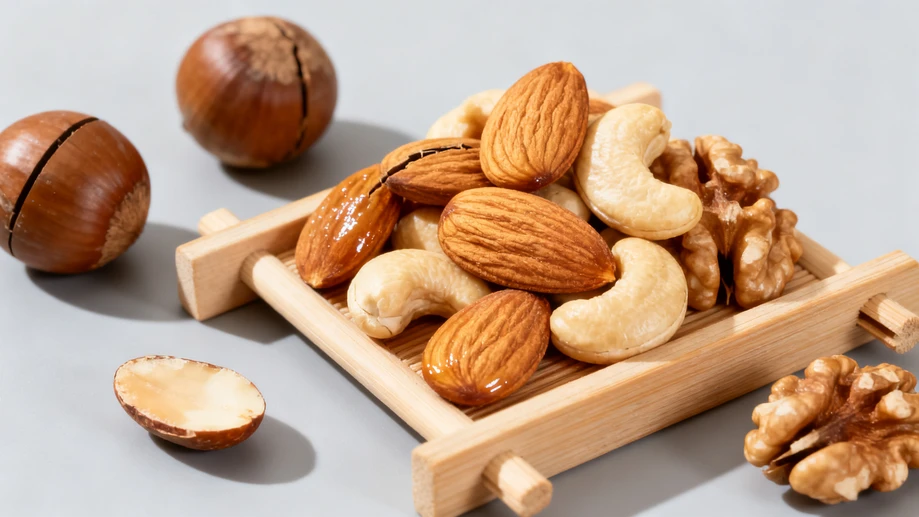
Eating a Handful of Nuts Daily Can Significantly Improve Cardiovascular Health
Discover how incorporating nuts into your diet reduces heart disease risk and promotes long-term vitality through simple, evidence-based habits.
In today's fast-paced world, many people overlook the profound impact that small dietary changes can have on overall well-being; one such change is adding a daily serving of nuts, which serves as an easy yet powerful step toward better heart health. This habit not only fits seamlessly into busy lifestyles but also addresses common challenges like high cholesterol and inflammation, making it a practical choice for anyone seeking preventive care. However, the key lies in consistency, as even minor adjustments, when repeated daily, can lead to remarkable improvements over time, setting the stage for a deeper exploration of nuts' specific health benefits.
Moreover, scientific research consistently highlights how nuts, such as almonds or walnuts, are packed with essential nutrients that directly combat cardiovascular issues; they contain unsaturated fats that lower bad LDL cholesterol while raising good HDL cholesterol, reducing plaque buildup in arteries. Additionally, nuts provide significant amounts of fiber, which aids digestion and helps regulate blood sugar levels, preventing spikes that contribute to heart strain. This multifaceted nutritional profile ensures that nuts act as natural protectors against heart disease, but their benefits extend beyond cholesterol control to include antioxidant properties that fight oxidative stress, further safeguarding the heart from damage.
In fact, evidence from long-term studies, such as those published in major medical journals, underscores that regular nut consumption correlates with a lower incidence of heart attacks and strokes; for instance, participants who ate nuts multiple times a week showed up to a 30% reduced risk of cardiovascular events compared to non-consumers. This protective effect stems not just from individual nutrients but from their synergistic action, which enhances blood vessel function and reduces inflammation. Therefore, adopting this habit can be seen as a cost-effective strategy, as it leverages readily available foods to achieve health outcomes often associated with more complex interventions.
To integrate nuts into your routine effectively, start with small, manageable steps like adding a handful to breakfast or snacks; this approach ensures sustainability without overwhelming dietary changes, while avoiding excessive salt or sugar in processed varieties maintains the health benefits. People often find that nuts pair well with fruits or yogurt, creating balanced meals that sustain energy levels throughout the day, but monitoring portion sizes is crucial as nuts are calorie-dense. In this way, nuts become a versatile tool in a holistic health plan, complementing other lifestyle factors like exercise for maximum cardiovascular advantage.
Ultimately, the simple act of eating nuts daily offers a proactive defense against heart disease, empowering individuals to take control of their health with minimal effort and enjoy the cumulative rewards of vitality. As research continues to validate this approach, it becomes clear that such habits are more than just dietary tweaks—they represent a commitment to long-term wellness, encouraging a shift toward prevention rather than treatment. By making nuts a staple, anyone can build a stronger heart foundation, paving the way for a healthier, more fulfilling life filled with everyday energy and resilience.