
Protecting Yourself from Spring Pollen Allergies with Smart Everyday Strategies
Practical tips to reduce exposure and manage symptoms during allergy season without disrupting your daily routine
As spring breathes life into dormant trees and flowers burst into bloom, millions brace for the annual onslaught of watery eyes and relentless sneezing. This seasonal transformation, while visually spectacular, releases billions of microscopic pollen particles that trigger allergic reactions in sensitive individuals. The invisible dusting coats cars, windows, and outdoor furniture, becoming an unavoidable part of the spring landscape. Yet understanding this cyclical phenomenon marks the first step toward reclaiming comfort during what should be nature's most delightful season.
Interestingly, pollen serves as plants' reproductive lifeline but becomes human bodies' immunological adversary. When inhaled, these tiny grains provoke immune systems to overreact, mistaking harmless particles for dangerous invaders. Histamine floods the bloodstream, causing familiar misery: itchy throats, congested sinuses, and puffy eyes that turn sunny days into endurance tests. These symptoms typically peak during dry, breezy mornings when pollen counts surge, though rainy days provide temporary relief by cleansing the air.
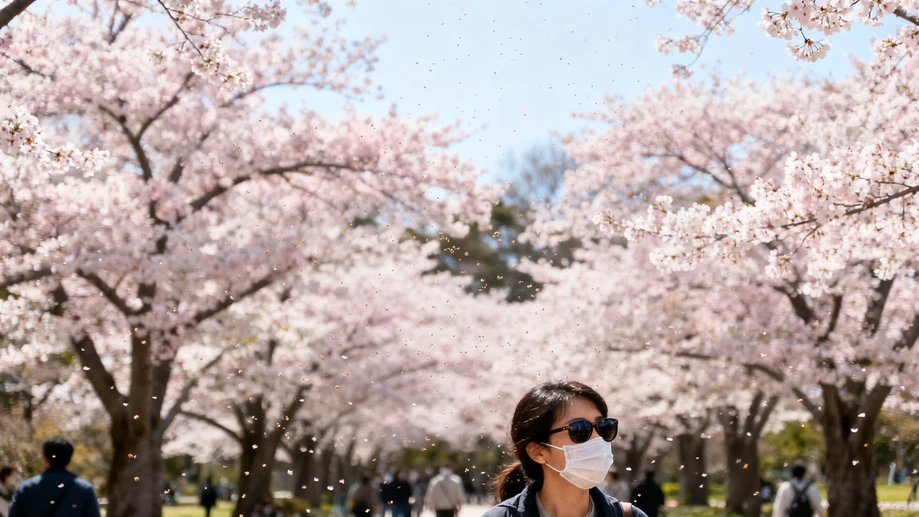
Strategic timing transforms outdoor activities from allergy traps into enjoyable experiences. Monitoring local pollen forecasts allows you to schedule gardening or exercise when counts dip lowest, usually after rainfall or during evening hours. Wearing wrap-around sunglasses creates physical barriers against airborne irritants, while wide-brimmed hats prevent pollen from nesting in hair. Changing clothes immediately upon returning home contains contamination, and showering before bedtime removes pollen clinging to skin and eyelashes that would otherwise torment you through the night.
Indoor havens require deliberate maintenance to remain pollen-free sanctuaries. Keeping windows closed during high pollen days seems obvious, yet many overlook how ventilation systems can bypass this precaution if filters aren't regularly replaced. High-efficiency particulate air filters capture up to 99% of pollen particles when properly maintained. Daily damp dusting and vacuuming with HEPA-equipped appliances eliminate settled allergens, while portable air purifiers in bedrooms ensure restorative sleep. Laundering bedding frequently in hot water destroys pollen residues that accumulate on pillowcases and sheets.
Hydration emerges as a surprisingly powerful ally against pollen's effects. Drinking ample water thins mucus secretions, easing sinus pressure and making nasal irrigation more effective. Some find locally sourced honey provides mild relief through gradual exposure to regional pollens, though scientific support remains limited. For persistent sufferers, consulting allergists allows personalized treatment plans ranging from prescription antihistamines to targeted immunotherapy.
The battle against seasonal allergies shouldn't mean sacrificing spring's pleasures entirely. By implementing these practical measures consistently, most people significantly reduce symptoms without resorting to extreme isolation. Picture allergy management as weather-appropriate dressing: necessary preparation that lets you embrace the season comfortably. Through mindful adjustments to daily routines, the vibrant rebirth of spring can transform from a seasonal trial into a celebration of renewal enjoyed on your own terms.