
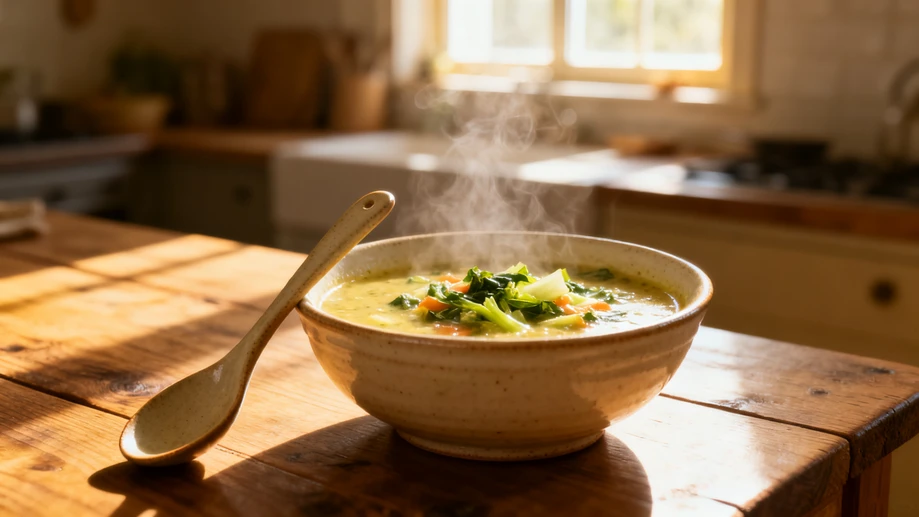
Hot Soup May Increase Your Risk of Esophageal Cancer, Study Finds
New research suggests that regularly consuming very hot beverages and soups could damage the esophagus and lead to long-term health problems.
Many people find immense comfort in a steaming bowl of soup, especially on cold days or when feeling unwell. The warmth seems to seep into the bones, offering a sense of well-being and nourishment. However, emerging scientific evidence reveals a hidden danger lurking in that comforting heat. Studies conducted across multiple countries indicate that the habit of consuming extremely hot liquids might be more harmful than previously imagined. This risk isn't confined to exotic culinary practices but applies to everyday habits like sipping scalding tea or eagerly consuming a bowl of soup fresh from the stove.
Researchers have identified a specific temperature threshold that appears critical. Liquids consumed above 149°F (65°C) significantly increase the risk of damaging the delicate lining of the esophagus. This thermal injury isn't always immediately painful or noticeable; the damage can be subtle and cumulative. When the sensitive esophageal tissues are repeatedly exposed to such high heat, it triggers a cycle of chronic inflammation and cellular repair. Over time, this persistent assault on the cells can lead to DNA damage and abnormal changes in the tissue structure. These alterations are recognized precursors to the development of esophageal cancer, a particularly aggressive form of the disease.
The mechanism behind this damage is surprisingly straightforward yet profoundly impactful. The esophagus, unlike the stomach, lacks a robust protective lining designed to handle extreme temperatures. Pouring very hot liquid directly onto its mucosal surface causes immediate thermal trauma. Cells are killed, and the body responds by initiating an inflammatory process to heal the wound. While the body is adept at repairing such acute damage, the constant repetition of this cycle—burning, inflammation, healing—creates a vulnerable environment. With each cycle, the likelihood of errors in cell replication increases, paving the way for potentially malignant transformations within the esophageal epithelium.
Mitigating this risk doesn't require abandoning beloved hot soups or beverages; it simply demands a shift in timing. Allowing hot drinks and soups to cool for a few minutes before consumption can dramatically lower the temperature to a safer range. Testing the temperature cautiously with a clean spoon or simply waiting until steam visibly subsides are effective strategies. Culturally ingrained habits of consuming liquids piping hot can be challenging to change, but awareness is the first step. Understanding that patience for those few extra minutes translates directly into a significant protective measure for long-term esophageal health makes the wait worthwhile.
Interestingly, this risk appears amplified when consuming hot liquids alongside solid foods, as is common with soup. The combination can prolong the contact time of the hot liquid with the esophageal lining compared to drinking a plain hot beverage. Furthermore, the presence of solids might slightly delay the perception of excessive heat, leading to larger, hotter mouthfuls being swallowed before awareness of the temperature kicks in. This highlights soup, despite its nutritional benefits, as a particular vector for this thermal risk due to its typical consumption method and temperature upon serving.
While the link between very hot beverages and esophageal cancer risk is now well-established in epidemiological studies, it's crucial to contextualize this risk. Factors like smoking and heavy alcohol consumption remain far more potent risk factors for esophageal cancer. However, the temperature factor is significant because it is a modifiable behavior. Unlike genetic predispositions, individuals can easily control the temperature of the liquids they consume. This presents a simple, actionable step anyone can take to potentially reduce their cancer risk without requiring major lifestyle overhauls or medical interventions.
Ultimately, enjoying hot soups and drinks is a pleasure deeply embedded in many cultures worldwide. The key takeaway is not avoidance but mindful consumption. Respecting the delicate nature of the esophagus by allowing temperatures to moderate slightly before eating or drinking is a small, practical habit with potentially large health dividends. By incorporating this simple awareness into daily routines, individuals can continue to savor the warmth and comfort of hot soups while actively safeguarding their esophageal health for the future.