
The Truth About Drinking Eight Glasses of Water Daily
Unveiling the surprising origins and scientific reality behind a universal hydration myth.
For decades, the mantra "drink eight glasses of water a day" has echoed through health advice columns, gym locker rooms, and workplace wellness programs. It’s presented as an immutable law of human physiology, a simple key to radiant skin, boosted energy, and optimal organ function. Millions diligently track their water intake, striving to hit that magical number, often carrying oversized bottles as badges of health-conscious honor. Yet, this ubiquitous recommendation rests on surprisingly shaky scientific ground, more a product of persistent repetition than rigorous evidence.
Where did this specific number originate? The trail leads back not to a landmark clinical study, but to a 1945 recommendation by the U.S. Food and Nutrition Board. Crucially, their report stated that most of this daily fluid intake could be obtained from prepared foods and other beverages. This vital nuance – that water from coffee, tea, milk, fruits, vegetables, and soups counts towards hydration – was somehow lost in translation over the years. The standalone "eight glasses" rule took on a life of its own, divorced from its original context emphasizing total fluid intake from all dietary sources.
Modern research consistently debunks the necessity of forcing down eight glasses of pure water. The human body possesses an exquisitely tuned mechanism for regulating fluid balance: thirst. For the vast majority of healthy individuals, relying on thirst signals is perfectly adequate for maintaining hydration. Studies involving diverse populations show that people naturally consume varying amounts of fluid based on climate, activity level, body size, diet, and individual metabolism. The notion that everyone, from a petite office worker to a laborer in the tropics, requires exactly the same arbitrary amount is physiologically implausible.
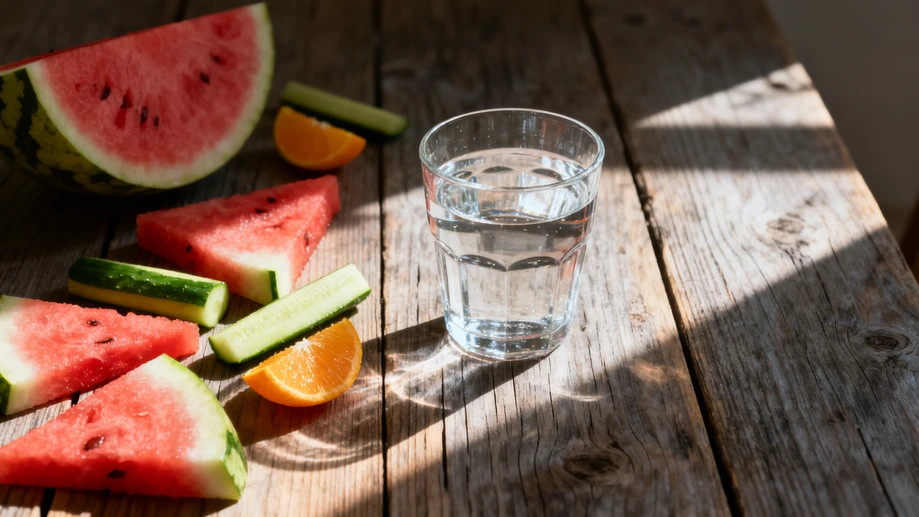
Furthermore, focusing solely on water intake ignores the significant contribution of water-rich foods to our daily hydration. A cucumber is approximately 95% water, a tomato 94%, and even cooked pasta is about 65% water. Soups, stews, yogurts, and fruits like watermelon and oranges provide substantial fluid. Someone consuming a diet rich in fruits, vegetables, and other liquids may easily meet their hydration needs without consciously drinking multiple large glasses of plain water. This holistic view of fluid intake is far more accurate and less burdensome than the isolated eight-glass rule.
Perhaps the most compelling argument against rigid adherence is the potential risk of overhydration, or hyponatremia. Drinking excessive amounts of water in a short time can dangerously dilute sodium levels in the blood, leading to symptoms ranging from headache and nausea to confusion, seizures, and even coma. While rare in the general population, it highlights that more water isn't always better. Athletes engaged in prolonged endurance events are particularly susceptible, but even casual exercisers pushing excessive fluids can be affected. The body needs balance, not flooding.
So, what’s the sensible approach? Listen to your body. Drink water when you feel thirsty. Pay attention to the color of your urine – pale yellow generally indicates good hydration, while dark yellow suggests you might need more fluids. Adjust your intake based on activity level, heat, and humidity. Enjoy your coffee, tea, milk, and water-rich foods. Ditch the rigid eight-glass dogma and embrace a flexible, intuitive approach to hydration that respects your body’s innate wisdom and the diverse ways we obtain the fluids we need. True health lies in understanding nuance, not chasing oversimplified myths.