
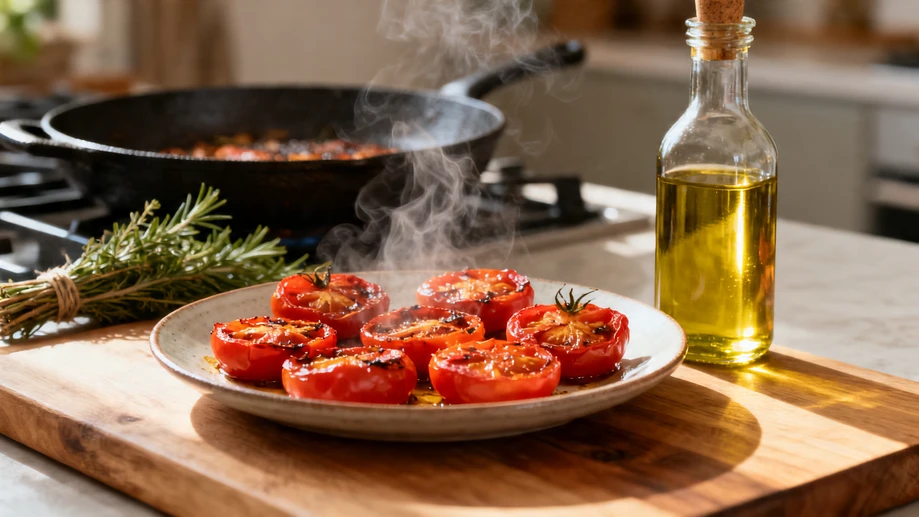
Cooking Tomatoes Unlocks More Antioxidant Power Than Raw Ones
Discover how heat transforms lycopene into a superhero nutrient for optimal health benefits naturally
Many assume fresh vegetables always offer superior nutrition, but tomatoes break this rule spectacularly. While vibrant raw tomatoes deliver vitamin C and freshness, they actually withhold their most valuable asset. The secret lies in lycopene, a potent antioxidant giving tomatoes their ruby hue. This fat-soluble compound hides behind tough plant cell walls when uncooked, making absorption challenging. Gentle heating initiates a magical transformation where lycopene becomes significantly more accessible to our bodies.
Lycopene belongs to the carotenoid family, renowned for combating cellular damage. Unlike water-soluble vitamins that leach into cooking water, lycopene thrives under heat. Thermal processing disrupts tomato cell matrices, liberating bound nutrients. Simultaneously, heat isomerizes lycopene molecules, shifting them into a more bioavailable structure. Scientific studies confirm lycopene absorption spikes 150% from cooked tomatoes compared to raw counterparts. This enhanced bioavailability persists whether tomatoes are roasted, stewed, or incorporated into sauces.
Including healthy fats in cooked tomato dishes amplifies this nutritional advantage. Lycopene requires fat for efficient transport through our digestive system. A drizzle of olive oil over baked tomatoes creates perfect synergy, carrying the antioxidant through intestinal walls. This powerful combination helps neutralize harmful free radicals linked to chronic diseases. Regular consumption correlates with reduced risk of heart conditions and specific cancers. The Mediterranean diet harnesses this wisdom instinctively through tomato-based sauces enriched with quality oils.
While unlocking lycopene, cooking inevitably reduces heat-sensitive vitamins like C. This trade-off offers valuable perspective: different preparation methods yield distinct benefits. Enjoy raw tomatoes for vitamin C bursts during summer months and preserve lycopene-rich cooked versions for colder seasons. Processing doesn't degrade lycopene; canned tomatoes or paste often concentrate this nutrient. Moderate cooking times maintain structural integrity without losing nutritional value. Avoid overcooking into mush, which diminishes texture without improving absorption.
Understanding this transformative process empowers smarter dietary choices. Embrace tomatoes' culinary versatility beyond salads—roasted cherry tomatoes, simmered sauces, and slow-cooked stews maximize antioxidant delivery. This small kitchen alchemy demonstrates how traditional cooking methods align with nutritional science. Including both raw and cooked tomatoes creates complementary nutrition, proving nature and nurture coexist deliciously on our plates.