
The Mysterious Disappearance of Vitamin C in Your Favorite Fruits
Exploring how cooking methods dramatically alter nutrient levels in common foods with surprising results
The vibrant orange hue of a carrot or the rich red of a tomato signals more than visual appeal – it's nature's billboard advertising precious vitamin C. This essential nutrient, scientifically termed ascorbic acid, serves as both a powerful antioxidant and a crucial co-factor in collagen production, wound healing, and immune function. While most recognize citrus fruits as vitamin C powerhouses, everyday vegetables like bell peppers actually contain three times more vitamin C per weight than oranges. Yet what consumers rarely consider is how dramatically this fragile nutrient vanishes during food preparation. From the moment produce is harvested, an invisible countdown begins where exposure to air, light, and heat triggers chemical reactions that degrade this vital compound.
Steaming broccoli presents a fascinating case study in nutrient preservation. When researchers compared various cooking techniques, steamed broccoli retained approximately 90% of its original vitamin C content while boiled counterparts lost up to 50%. The difference lies in water solubility - vitamin C readily dissolves into cooking water, leaving vegetables nutritionally depleted. Surprisingly, microwave cooking also preserves nutrients effectively due to shortened cooking times. Though raw vegetables offer maximum vitamin C, proper cooking makes certain nutrients more bioavailable. The true challenge becomes balancing nutrient retention with food safety and digestibility, especially considering that vitamin C begins deteriorating the instant vegetables are cut or bruised during preparation.
Storage conditions critically influence the vitamin C timeline. A spinach leaf can lose half its vitamin C within just twenty-four hours of refrigeration if improperly stored. The enemies are trifold: oxygen oxidizes ascorbic acid, light accelerates degradation, and moisture encourages enzymatic breakdown. Counterintuitively, freezing often preserves more vitamin C than refrigeration since low temperatures suspend enzymatic activity. Frozen produce typically undergoes quick-blanching before freezing, which paradoxically destroys degradation enzymes while retaining vitamin C. This preservation method explains why frozen peas may contain higher vitamin C levels than fresh peas that endured days of transportation and shelf display under supermarket lights.
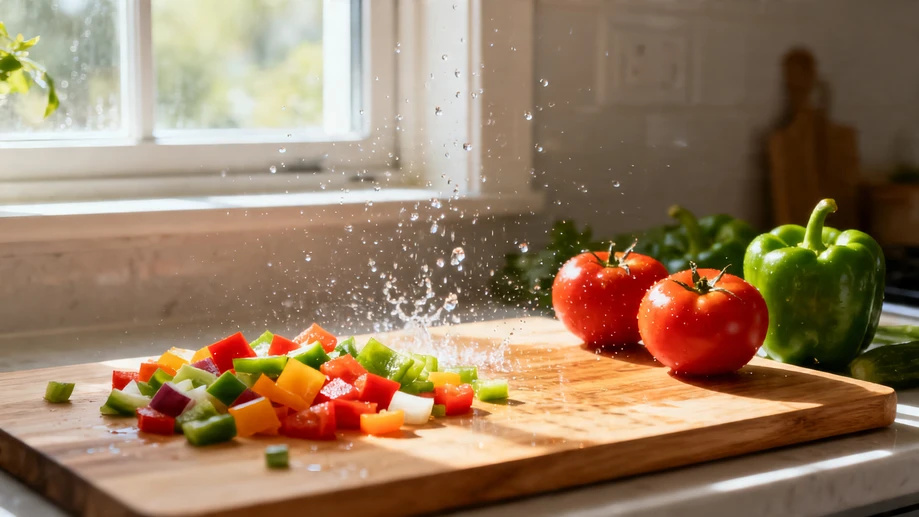
Food preparation introduces another dimension to vitamin C conservation. Chopping vegetables increases surface area, exponentially accelerating oxidation. A potato sliced thin loses vitamin C forty times faster than a whole potato. Immersing cut vegetables in water creates a temporary oxygen barrier, while adding acidic ingredients like lemon juice creates a protective pH environment. Even cooking equipment matters - copper pots catalyze vitamin C destruction, while stainless steel and enameled pots minimize nutrient loss. The most significant vitamin massacre occurs when vegetables are cooked in abundant water that's then discarded, pouring precious nutrients down the drain that could have enriched soups or sauces instead.
Regional cooking traditions unknowingly mastered vitamin C preservation long before nutritional science existed. Stir-frying maintains high heat for short durations, locking in nutrients while ensuring food safety. Fermentation, as practiced in kimchi and sauerkraft, creates an acidic environment that preserves vitamin C exceptionally well. Traditional sun-drying techniques surprisingly preserve more vitamin C than modern dehydrators when practiced correctly, as solar radiation deactivates oxidative enzymes. These time-honored methods demonstrate how cultural food wisdom often aligns with optimal nutrient preservation, achieving what modern kitchens sometimes fail to accomplish with precise temperature controls.
Climate change now threatens to rewrite nutritional tables worldwide. Studies tracking plant responses to elevated CO2 reveal troubling patterns - wheat grown under high-carbon conditions contains 10% less vitamin C than traditionally grown wheat. Similar reductions appear in rice, soybeans, and potatoes, with photosynthesis changes altering nutrient profiles. This depletion occurs alongside increased carbohydrate production, creating nutritionally diluted staple crops. Simultaneously, rising temperatures disrupt the enzymatic pathways that synthesize vitamin C in plants. Researchers warn that declining micronutrient density in produce could quietly undermine global health, making optimal food preparation methods increasingly vital for meeting nutritional needs.